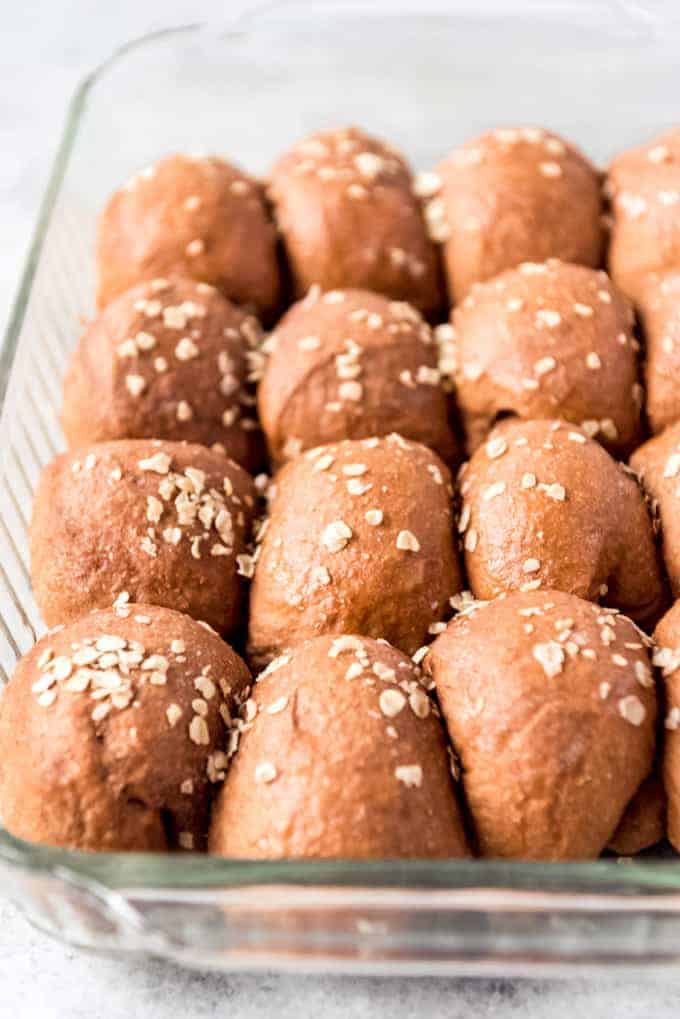
The Irresistible Charm of Brown Bread Dinner Rolls
There’s a special kind of comfort found in a basket of warm, freshly baked rolls gracing the dinner table. While white rolls have long held their place, an increasingly popular and equally delightful alternative is emerging: the `brown bread dinner roll`. These wholesome, hearty rolls offer a unique blend of robust flavor, satisfying texture, and a wealth of nutritional benefits that elevate any meal, from a casual family dinner to an elegant holiday feast. Far from being just a side, brown bread dinner rolls are a statement – a nod to health, flavor, and the simple joy of good food.
Choosing brown bread dinner rolls isn't just about making a healthier choice; it's about embracing a richer, more complex taste experience. Their distinct character adds depth to any dish they accompany, proving that whole grains can be both nourishing and utterly delicious. Whether slathered with butter, dipped into a savory stew, or used to sop up gravy, these rolls promise a delightful culinary journey.
Why Choose Brown Bread Dinner Rolls? The Healthier, Heartier Option
In a world increasingly focused on wellness, brown bread dinner rolls stand out as a superior choice for conscientious eaters. Moving beyond mere calorie counting, these rolls bring a spectrum of benefits that contribute to overall health and satisfaction.
Nutritional Advantages
The primary distinction of brown bread dinner rolls lies in their use of whole grains, typically whole wheat flour, rye flour, or a blend of various whole grain flours. This choice is pivotal for nutrition. Whole grains retain all parts of the grain kernel – the bran, germ, and endosperm – each packed with vital nutrients often stripped away in refined white flours.
*
Fiber Powerhouse: Whole grains are an excellent source of dietary fiber. Fiber is crucial for digestive health, aiding in regularity and preventing constipation. It also contributes to satiety, helping you feel fuller for longer, which can assist with weight management. Beyond digestion, fiber plays a role in regulating blood sugar levels and can help lower cholesterol.
*
Rich in Vitamins and Minerals: Brown bread dinner rolls are veritable treasure troves of B vitamins (thiamine, riboflavin, niacin, folate), which are essential for energy metabolism. They also provide important minerals like iron for oxygen transport, magnesium for muscle and nerve function, and selenium, an antioxidant.
*
Sustained Energy Release: Thanks to their complex carbohydrate structure and fiber content, brown bread offers a slower, more sustained release of glucose into the bloodstream compared to refined white bread. This means more stable energy levels, avoiding the sharp spikes and crashes often associated with simple carbohydrates.
*
Antioxidant Properties: Whole grains contain various antioxidants, including phenolic compounds and phytic acid, which help combat oxidative stress in the body.
Richer Flavor and Texture
Beyond the impressive nutritional profile, the sensory experience of `brown bread dinner rolls` is undeniably superior for many. They offer a depth of flavor and a satisfying texture that white rolls simply can't match.
*
Complex Flavor Profile: The whole grains impart a distinct nutty, earthy, and sometimes slightly sweet or malty flavor. This isn't a one-note taste; it’s a nuanced profile that can include subtle hints of honey, molasses, or even a slight tang, depending on the grains used. This complexity makes them an excellent complement to a wider array of dishes, from hearty stews to delicate fish.
*
Satisfying Texture: Brown bread dinner rolls often boast a chewier, more substantial crumb than their white counterparts. This texture adds to the feeling of satisfaction, making each bite more engaging. The crust tends to be a bit firmer and more rustic, providing a delightful contrast to the softer interior.
*
Versatility in Pairings: Their robust flavor means these rolls can stand up to strong flavors like sharp cheeses, robust gravies, and spiced meats, enhancing the overall dining experience rather than fading into the background.
Choosing brown bread dinner rolls is a delightful journey into a world of richer flavors and undeniable health benefits. For those looking to explore more about specific ingredients and methods, check out our in-depth guides on
brown bread dinner rolls - Article 1 and
brown bread dinner rolls - Article 2.
Mastering the Art of Baking Perfect Brown Bread Dinner Rolls at Home
There's an unparalleled satisfaction that comes from baking your own bread, and `brown bread dinner rolls` are no exception. The aroma filling your kitchen is just the beginning of a truly rewarding experience. While it might seem daunting, baking homemade rolls is an achievable and enjoyable culinary endeavor.
Essential Ingredients for Success
To embark on your brown bread baking journey, you'll need a few key components. The quality of these ingredients directly impacts the final taste and texture of your rolls.
*
Whole Grain Flour: This is the star of the show. While 100% whole wheat flour is common, you can experiment with blends like whole wheat and bread flour (for a lighter texture), or even add a touch of rye, oat, or spelt flour for different flavor nuances. Ensure your flour is fresh.
*
Yeast: Active dry yeast or instant yeast are both suitable. Make sure your yeast is not expired; old yeast is the number one culprit for flat, dense rolls.
*
Liquid: Warm water or milk (dairy or non-dairy) is needed to activate the yeast and hydrate the dough. Milk tends to produce a softer crumb and richer flavor.
*
Sweetener: A touch of sweetness not only balances the earthy notes of the whole grains but also feeds the yeast. Honey, molasses, brown sugar, or maple syrup are excellent choices, each imparting a slightly different flavor.
*
Salt: Essential for flavor and to control yeast activity. Don't skip it!
*
Fat: Butter or oil (like olive or vegetable oil) adds richness, tenderness, and helps with browning. Melted butter offers a lovely flavor.
*
Optional Add-ins: Consider adding old-fashioned oats, flax seeds, sunflower seeds, or even a handful of dried cranberries for extra texture, nutrition, and flavor.
Step-by-Step Baking Guide (Abridged)
While a full recipe includes precise measurements, understanding the process is key to successful baking.
1.
Activate the Yeast: Combine warm liquid (around 105-115°F or 40-46°C) with your sweetener and yeast. Let it sit for 5-10 minutes until foamy, indicating the yeast is active.
2.
Mix and Knead: In a large bowl, combine the activated yeast mixture with the flour, salt, and melted fat. Mix until a shaggy dough forms. Turn it out onto a lightly floured surface and knead for 8-10 minutes until the dough is smooth and elastic. Whole wheat dough can be a bit stickier and denser than white flour dough, but it should still pass the "windowpane test" (stretching a small piece thin enough to see light through it without tearing).
3.
First Rise (Bulk Fermentation): Place the dough in a greased bowl, turning once to coat. Cover with plastic wrap or a damp towel and let it rise in a warm, draft-free place for 1-1.5 hours, or until doubled in size.
4.
Shape the Rolls: Gently punch down the dough to release air. Divide it into equal portions (typically 12-16 rolls). Shape each portion into a tight ball. You can do this by cupping the dough in your hand and rolling it against the counter in a circular motion, or by gently pulling the edges underneath to create a smooth top.
5.
Second Rise (Proofing): Arrange the shaped rolls on a parchment-lined baking sheet or in a greased baking dish, leaving some space between them. Cover again and let them rise for another 30-45 minutes, or until visibly puffy and almost doubled.
6.
Bake: Preheat your oven to 375-400°F (190-200°C). Optionally, brush the tops with an egg wash (egg yolk mixed with a little water) for a golden, shiny crust, or milk for a softer crust. Bake for 15-25 minutes, depending on size, until deep golden brown and cooked through. The internal temperature should be around 200°F (93°C).
7.
Cool: Transfer the rolls to a wire rack to cool slightly before serving. Resist the urge to cut into them immediately; this allows the internal structure to set.
**Practical Tips for Success:**
* **Don't Rush the Rise:** Proper rising (proofing) is crucial for light and airy rolls. If your kitchen is cool, place the dough in a slightly warm oven (turned off) with the light on.
* **Measure Flour Correctly:** Spoon flour into your measuring cup and level it off; don't scoop directly from the bag, as this compacts the flour and can lead to a dry dough.
*
Embrace the Stickiness: Whole wheat dough can be a bit stickier. Resist adding too much extra flour during kneading, as this will result in dry, dense rolls. A little oil on your hands can help manage stickiness.
Beyond the Basket: Creative Ways to Serve Brown Bread Dinner Rolls
`Brown bread dinner rolls` are incredibly versatile, extending their utility far beyond a simple accompaniment to dinner. Their robust flavor and satisfying texture make them suitable for a wide range of culinary applications, elevating ordinary meals into extraordinary experiences.
The Perfect Accompaniment to Any Meal
While "dinner rolls" implies evening meals, these hearty loaves are welcome at any time of day.
*
Breakfast & Brunch: Warm brown bread dinner rolls served with butter and homemade jam, or alongside scrambled eggs and bacon, create a wholesome and filling start to the day. They also make excellent bases for mini egg sandwiches or avocado toast bites.
*
Soups and Stews: The sturdy nature of brown bread makes it ideal for soaking up rich broths and sauces from hearty soups and stews. Imagine dipping a warm roll into a steaming bowl of beef bourguignon or a creamy tomato soup.
*
Roasts and Main Courses: Alongside a Sunday roast chicken, pork loin, or a vegetarian casserole, these rolls provide a grounding element, complementing savory flavors without being overshadowed.
*
Sandwich Sliders: Slice rolls horizontally to create mini sandwiches or sliders. Fill them with deli meats, cheese, pulled pork, or grilled vegetables for a delightful party appetizer or light lunch.
*
Salads: Serve them with a crisp green salad for a complete and satisfying light meal.
Elevating Your Rolls: Toppings and Pairings
While delicious on their own, a few additions can transform your brown bread dinner rolls into gourmet delights.
*
Compound Butters: Infuse softened butter with herbs (rosemary, thyme), garlic, honey, cinnamon, or even chili flakes for a customized spread that enhances the rolls' natural flavors.
*
Dips and Spreads: Serve with a quality olive oil and balsamic vinegar for dipping, a vibrant hummus, a creamy spinach-artichoke dip, or a hearty bean spread.
*
Cheese Boards: Brown bread rolls are a fantastic addition to a cheese and charcuterie board. Their earthy notes pair wonderfully with aged cheddars, creamy bries, and pungent blues.
*
Savory Stuffings: Day-old brown bread dinner rolls can be cubed and dried to make exceptionally flavorful croutons for salads or as a base for savory bread puddings or stuffings.
*
Garlic Bread: Slice rolls in half, spread with garlic butter, and toast in the oven for a quick and flavorful garlic bread alternative.
**Actionable Advice:** Consider setting up a "Roll Bar" for your next gathering. Offer a basket of warm `brown bread dinner rolls` alongside a variety of toppings like flavored butters, gourmet jams, honey, olive tapenade, and different cheeses. This encourages guests to customize their rolls and adds an interactive element to your meal.
Storing and Reheating Your Brown Bread Dinner Rolls
One of the great advantages of baking `brown bread dinner rolls` is their potential for storage. Whether you're making a big batch for meal prep or simply have leftovers, knowing how to store and reheat them properly ensures you can enjoy their freshness and flavor for longer.
Keeping Them Fresh
Proper storage is key to maintaining the texture and preventing staleness or mold growth.
* **Room Temperature (Short-Term):** For consumption within 1-2 days, store cooled rolls in an airtight container or a clean paper bag placed inside a plastic bag. This keeps them from drying out too quickly while preventing excessive moisture buildup that can lead to mold. Avoid refrigerating fresh bread, as it tends to speed up the staling process.
* **Freezing (Long-Term):** For longer storage, freezing is your best bet. Once completely cooled, wrap individual rolls tightly in plastic wrap, then place them in a freezer-safe bag or container. They can be stored in the freezer for up to 3 months. Freezing is an excellent way to have homemade rolls ready at a moment's notice.
Bringing Them Back to Life
Reheating rolls brings back their soft interior and crisp crust, making them taste almost as good as fresh out of the oven.
* **Oven Reheating (Best Method):** This method is ideal for bringing back that lovely crust and warming the interior evenly.
* **From Room Temperature:** Preheat your oven to 350°F (175°C). Lightly sprinkle the rolls with a little water (or wrap them loosely in aluminum foil to prevent drying out) and heat for 5-10 minutes, or until warmed through.
* **From Frozen:** Thaw frozen rolls at room temperature for an hour, or if you're in a hurry, place them directly in a cold oven, then set the temperature to 350°F (175°C) and bake for 15-20 minutes, or until heated through.
* **Microwave (Quick but Cautious):** The microwave can warm rolls quickly, but it can also make them chewy or tough if overdone.
* Wrap a single roll in a damp paper towel and microwave on high for 15-30 seconds. Check for warmth and continue in 10-second increments if needed. This is best for immediate consumption.
* **Steaming:** For a particularly soft and moist roll, you can briefly steam them. Place rolls in a steamer basket over simmering water for a few minutes until warm and pliable.
**Practical Tip:** If reheating a large batch of frozen rolls, unwrap them and arrange them on a baking sheet. Loosely cover with foil and bake at 325°F (160°C) for about 20-30 minutes, removing the foil for the last 5 minutes to crisp the crust. Always let rolls cool for a few minutes on a wire rack after reheating to allow the internal moisture to redistribute, preventing a soggy interior.
Conclusion
From their superior nutritional profile to their rich, earthy flavors and satisfying texture, `brown bread dinner rolls` offer a compelling alternative to traditional white rolls. They are not merely a healthier choice, but a more flavorful and versatile one, capable of elevating any meal, whether it's a simple weeknight dinner or a festive gathering. Baking them at home fills your kitchen with an unbeatable aroma and provides the deep satisfaction of creating something wholesome and delicious from scratch. With proper storage and reheating techniques, the joy of these hearty rolls can extend far beyond the day they are baked. So, the next time you consider what to serve alongside your meal, reach for the brown bread – your taste buds and your body will thank you.